


Understanding EN 471 Certification: What it Means for Safety Vests and Jackets
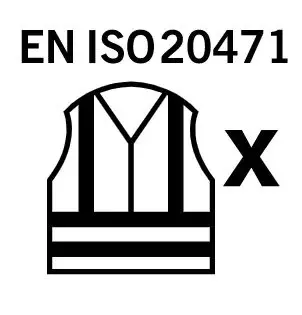
In industries where safety is non-negotiable, visibility can make the difference between life and death. From construction sites to highways, ensuring that workers are easily seen is a key part of accident prevention. That’s where EN 471 certification comes in. This standard is recognized globally for setting the benchmark in high-visibility clothing, ensuring that safety vests and jackets are designed to protect workers in all lighting conditions.
In this article, we break down what EN 471 certification means, why it matters, and how it ensures the quality and reliability of the reflective gear you choose.
What is EN 471 Certification?
EN 471 is a European standard specifically developed for high-visibility warning clothing. It defines the requirements for both the fluorescent background material (which makes the wearer visible during daylight) and the retroreflective material (which reflects light from sources like vehicle headlights in low-light or night conditions).
The goal of EN 471 is simple: to ensure that workers wearing certified vests and jackets remain visible and safe, regardless of the environment or time of day.

Key Components of EN 471
The certification evaluates three critical elements of safety clothing:
Fluorescent MateriaProvides enhanced visibility in daylight and low-light conditions.
Typically available in bright colors such as fluorescent yellow, orange, or red.
Retroreflective MaterialDesigned to reflect light back to its source, such as vehicle headlights.
Vital for night-time or dimly lit environments.
Design & CoverageSpecifies how much of the garment must be made of fluorescent and reflective materials.
Placement of reflective strips is also standardized to ensure 360° visibility.
Classes of EN 471 Safety Vests & Jackets
EN 471 certification categorizes safety clothing into three classes, based on the level of visibility required:
Class 1 (Lowest Protection) : For environments with low traffic and minimal risk. Example: parking attendants, warehouse helpers.
Class 2 (Intermediate Protection) : Suitable for work environments with higher traffic or moderate risk. Example: roadside workers, airport ground staff.
Class 3 (Highest Protection) : Provides the greatest visibility and is mandatory for high-risk jobs. Example: highway construction workers, emergency responders, heavy machinery operators.
Why EN 471 Certified Gear Matters
Compliance with Safety Standards : Many industries and government tenders require EN 471 certified gear to ensure worker protection.
Enhanced Worker Safety : By improving visibility, the chances of accidents—especially in high-risk zones—are drastically reduced.
Trust and Credibility :Employers, contractors, and buyers are assured that certified products meet stringent international safety requirements.
Ziota’s Commitment to Safety
At Ziota-GeeKay Safety Products, we take pride in manufacturing EN 471 certified safety vests, jackets, and safety accessories that meet global standards. Our products undergo strict quality checks, and with our ISO certification, we ensure durability, reliability, and maximum safety performance.
Currently, we supply across India and neighbouring countries and we are actively expanding our presence in the global market. Our mission is simple: to keep workers visible, safe, and protected wherever they are.



Comments